
Care program · Doral, Florida
Viva Healthy Aging, Bone & Supportive Care
Viva Healthy Aging, Bone & Supportive Care is an educational primary-care pathway in Doral for adults 50 and older with questions about falls, bone health, medicines, and comfort while living with serious illness. A provider can review your history, current medicines, balance, falls, and goals.
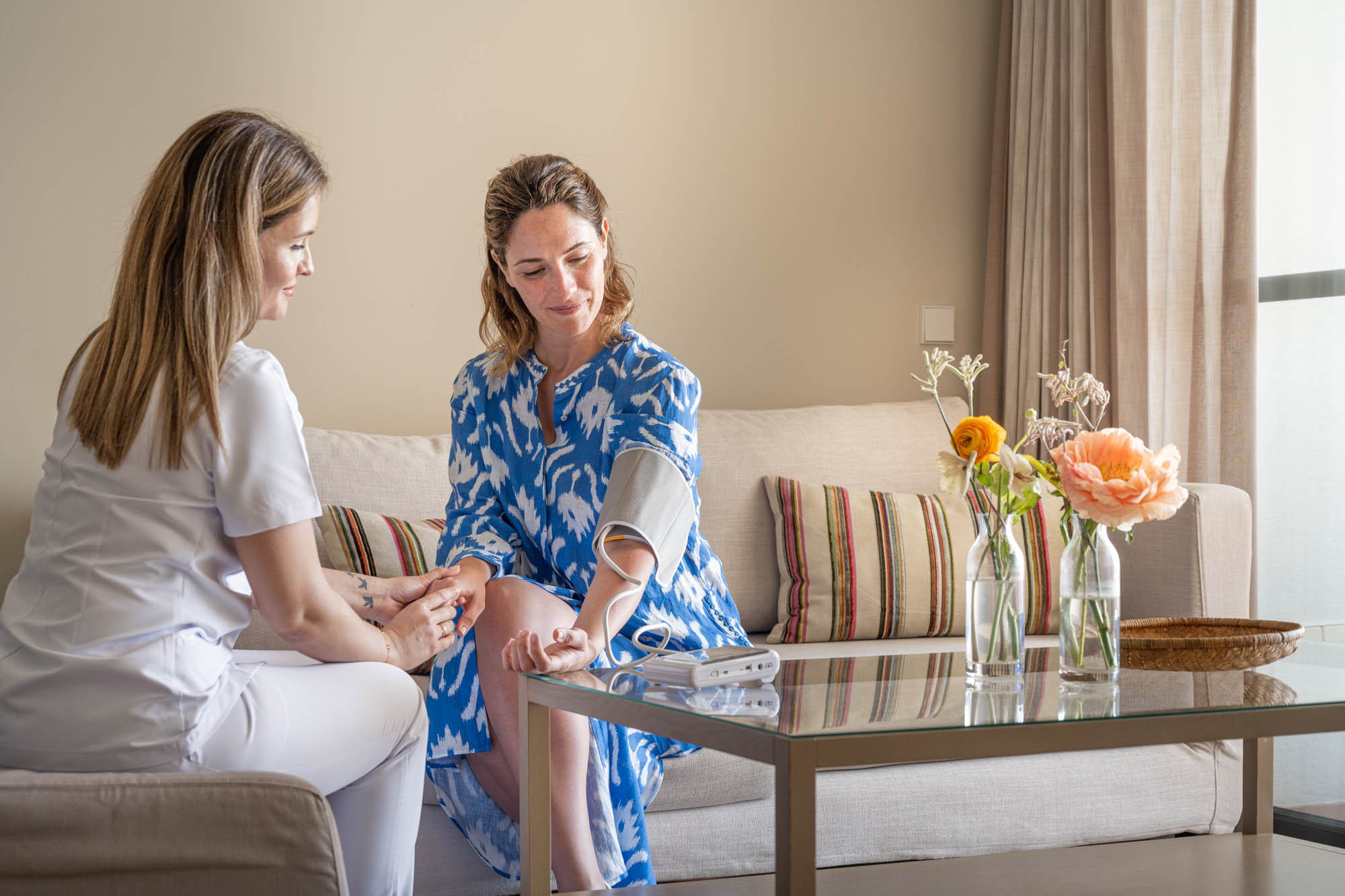
About this program
Confirm laboratory availability, draw location, assay suitability, and cost before nonurgent testing. Bone-density imaging, when indicated, requires outside coordination; confirm the destination and who reviews its results. Initial care discussions may include safe activity, home-safety changes, nutrition, medicine review, and bone-treatment classes when appropriate.
Do not stop or restart medicines because lists differ; clarify changes with the responsible provider. Supportive-care questions can be discussed alongside disease-directed treatment, while specialist palliative or hospice needs require the appropriate outside team and confirmed access. This hub starts at age 50.
If you are younger and need bone-health or supportive-care assessment, ask about an appropriate outside provider; the directory age floor does not replace individual clinical assessment. Follow-up should review results, symptoms, function, and whether next steps happened. Ask who remains responsible while referrals are pending.
A serious fall injury, new weakness, chest pain, or severe breathing difficulty needs emergency care.
What we treat, assess, and coordinate
What we treat
- Full medicine review for side effects and duplicate medicines
- Fall-risk reduction plans
- Bone-health prevention with calcium, vitamin D, and exercise guidance
- Osteoporosis treatment and monitoring by medication class, when appropriate
- Ongoing care for several long-term conditions together
- Symptom relief and comfort care alongside your other treatments
What we assess
- Fracture risk
- Balance, walking, and leg strength
- Falls or near-falls in the past year
- Vision, foot, and home-safety risks for falls
- Goals of care and personal care preferences
- Selected blood-sugar or lipid testing when clinically relevant; confirm availability, draw location, assay, and cost first
What we coordinate
- Bone density test (DXA) at an outside imaging center
- Physical therapy for strength and balance
- Endocrinology or rheumatology for complex bone cases
- Palliative-care or hospice teams when needed
- Communication with your specialists and caregivers
Conditions in this program
What the first visit includes
We begin with your questions, history, available records, and shared next steps.
Learn about evaluation →Treatment options
Your provider discusses practical options and follow-up that fit your situation.
Explore treatment planning →Clinical team
Viva Centers provider
Viva Primary Care TeamViva Centers provider
Viva Weight Loss TeamViva Centers provider
Appointments, insurance, and location
10560 NW 27th St, Suite 101, Doral, FL 33172 · +1-305-209-0001
Hours: Mon–Fri 08:30–16:30; Sat 09:00–13:00.
Insurance informationSee how to bookFrequently asked questions
Who is this program for?
This hub is for adults 50 and older with fall, fracture, medicine-list, or serious-illness comfort concerns. Caregivers may join with your permission. Younger adults needing bone-health or supportive-care assessment should seek an appropriate outside provider.
When should I have a bone density test?
USPSTF recommends screening women 65 and older and younger postmenopausal women at increased fracture risk after assessment. For men, evidence is insufficient to determine screening benefits versus harms. Known osteoporosis, fragility fractures, or secondary bone loss need a different evaluation. Indicated DXA requires outside coordination and confirmed access, cost, and result ownership. The age-50 hub floor does not justify delaying younger adults’ assessment with an appropriate outside provider.
I fell but was not hurt. Should I tell my provider?
Yes. Even an uninjured fall can identify risk. Discuss balance, strength, vision, feet, blood pressure, and medicines. Selected physical therapy or home-safety changes may help. A head injury, severe pain, or inability to bear weight needs urgent assessment.
Why should I bring all of my medicines to the visit?
Bring prescriptions, nonprescription products, vitamins, and supplements. Combinations may contribute to dizziness, falls, or adverse effects. Your provider can review duplicates and coordinate changes with responsible prescribers. Do not stop a medicine without consulting them.
Is supportive care the same as hospice?
No. Palliative care can address comfort, symptoms, and goals alongside treatment at any stage of serious illness. Hospice is a distinct end-of-life service. Viva does not operate a hospice. Specialist palliative or hospice needs require an appropriate outside team; confirm acceptance and responsibility while waiting.
Can a family member or caregiver come with me?
Caregivers can help share history, medicines, and follow-up questions. Discuss participation and information sharing with your provider. Your permission and the appropriate authorization are needed to share information when you are absent.
Urgent symptoms
- A fall with a head injury, especially if you take blood thinners
- Severe pain, a deformed limb, or not being able to stand or bear weight after a fall
- Sudden confusion, face drooping, one-sided weakness, or trouble speaking
- Chest pain or trouble breathing
- Uncontrolled pain or a sudden decline in someone with a serious illness
- Swelling of the face, lips, or throat after a new medicine
- If any of these happen, call 911 or go to the nearest emergency room.
Call 911 for a life-threatening emergency.
Urgent guidance →When we refer
Viva providers deliver primary-care bone health, fall prevention, medicine review, and supportive care. Complex causes of bone loss, difficult treatment decisions, or treatment complications go to endocrinology or rheumatology, and fractures that need repair go to orthopedic care. Viva does not operate a hospice; when specialist palliative or hospice care is needed, we coordinate with those teams. Complex problems with daily function or many medicines may also need a geriatrics team.
Sources
- Osteoporosis to Prevent Fractures: Screening — U.S. Preventive Services Task Force
- Osteoporosis — National Institute of Arthritis and Musculoskeletal and Skin Diseases (NIH)
- Older Adult Fall Prevention — Centers for Disease Control and Prevention
- Falls and Fractures in Older Adults: Causes and Prevention — National Institute on Aging (NIH)
- Taking Medicines Safely as You Age — National Institute on Aging (NIH)
- What Are Palliative Care and Hospice Care? — National Institute on Aging (NIH)
- Palliative Care — MedlinePlus (National Library of Medicine)